There are no products listed under this category.


Shop by Brand
Tarps by Material & Application
Tarps provide reliable protection for equipment, materials, vehicles, and structures across construction sites, farms, industrial facilities, transportation operations, and outdoor environments. Whether you need short-term coverage or long-term weather protection, choosing the right tarp ensures durability, safety, and performance.
We offer a full range of professional-grade tarp materials designed for specific applications. Shop polyethylene tarps for dependable everyday coverage, heavy-duty vinyl tarps for demanding industrial use, breathable canvas tarps for moisture-sensitive applications, mesh tarps for shade and airflow, fire-retardant certified tarps for regulated job sites and events, and specialty chemical-resistant or containment liners for advanced industrial needs.
From protecting job site materials and agricultural supplies to securing loads, meeting fire code requirements, or managing environmental containment, our tarps are built to perform under pressure. Browse below to shop by material or application and find the right tarp for your project today.
Shop Tarps by Use & Application
Not sure which material you need? Browse tarps by application to find the right coverage fast.
Featured Tarp Products
Not sure where to start? These best-selling tarps are proven options for durability, coverage, and all-around outdoor protection.
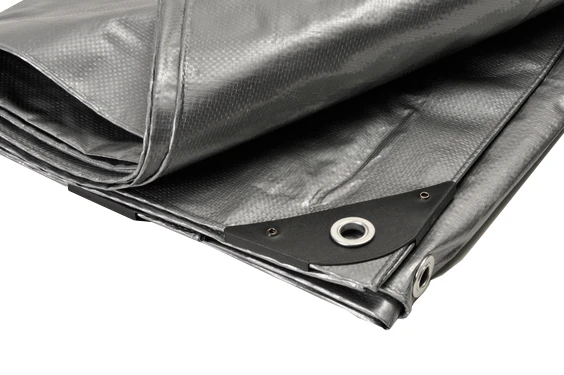
12 Mil Silver Tarp
12' X 20' HD Silver Tarp
This 12' x 20' silver heavy-duty poly tarp provides approximately 240 square feet of coverage and is built from durable 6 oz polyethylene with a strong 12 mil thickness and rugged 14 x 14 mesh count.
View Product →
75% Shade Mesh
Desert Mesh Tarp 10' x 10'
The 10' x 10' desert mesh tarp provides reliable shade protection while allowing continuous airflow. Made from durable 6 oz polypropylene mesh fabric, these tarps block up to 75% of sunlight while reducing wind resistance and heat buildup.
View Product →
12 Mil White Tarp
10' x 20' HD White Tarp
10' x 20' Heavy Duty Premium White Poly Tarp is built for reliable outdoor protection in demanding environments. Ideal for construction, agriculture, equipment, and outdoor coverage
View Product →Shop Tarps by Material & Performance
Choose the right tarp material based on durability, environment, and application.
Polyethylene Tarps
Waterproof, UV-resistant coverage for everyday and heavy-duty applications.
Vinyl & PVC Tarps
Industrial-grade strength for trucking, equipment, and extreme conditions.
Canvas Tarps
Breathable cotton duck designed to reduce condensation and moisture buildup.
Mesh Shade Tarps
Air-flow privacy and UV shade protection for fencing and outdoor spaces.
Fire-Retardant Options
Certified tarps for construction sites, events, and regulated applications.
Industrial & Agricultural
Specialty tarps built for farms, containment systems, and job sites.
Super Heavy-Duty Tarps
Built for maximum strength and long-term exposure. Ideal for industrial, trucking, and high-stress environments.
Economy & Utility Tarps
Lightweight, cost-effective coverage for temporary jobs, home projects, and everyday protection.
Compare Tarp Materials
Different tarp materials are engineered for different environments. Use this quick comparison guide to choose the right material for your application.
Polyethylene
- Waterproof: Yes
- Breathable: No
- Best For: Construction, equipment, temporary roofing
- Durability: Moderate to High
Vinyl (PVC)
- Waterproof: Yes
- Breathable: No
- Best For: Trucking, industrial, long-term exposure
- Durability: High to Extreme
Canvas
- Waterproof: Water-Resistant
- Breathable: Yes
- Best For: Machinery, painting, condensation control
- Durability: High
Mesh
- Waterproof: No
- Breathable: Yes
- Best For: Shade, debris containment, privacy
- Durability: Moderate
Fire-Retardant
- Waterproof: Yes
- Breathable: No
- Best For: Regulated job sites & events
- Durability: Varies by base material
Industrial & Containment
- Waterproof: Yes
- Breathable: No
- Best For: Chemical resistance & liners
- Durability: Extreme
Not sure which option is right? Use our Tarp & Canopy Product Selector to compare materials, uses, and product types.
How to Choose the Right Tarp
The best tarp depends on your environment, how long you need coverage, and the type of protection required. Use the tips below to choose the right material and construction for your project.
1) Match the Material to the Job
- Polyethylene: Great all-purpose waterproof coverage for construction, equipment, and temporary protection.
- Vinyl: Best for heavy-duty industrial use and long-term exposure where durability is critical.
- Canvas: Breathable coverage that helps reduce condensation on machinery or moisture-sensitive items.
- Mesh: Ideal for shade, airflow, privacy screening, and debris control.
- Fire-Retardant: Required for many public venues and regulated work sites where fire compliance is enforced.
2) Understand Thickness, Weight, and Strength
- Mil thickness: A higher mil typically indicates a thicker, more durable tarp.
- Oz per square yard: A higher weight often means stronger material and better longevity.
- Weave count / denier: Higher values generally increase tear resistance and durability.
3) Consider Finished Size
Many tarps are listed by cut size and finish slightly smaller after hems and grommets are installed (commonly around 3% or about 4–6 inches). If you need exact coverage, size up accordingly.
4) Check Grommet Spacing & Tie-Down Needs
For secure coverage in wind or long-term outdoor use, choose tarps with reinforced edges and evenly spaced grommets. More tie-down points help you pull the tarp tight and reduce flapping, wear, and tear.
5) Look for Compliance Requirements
If the tarp will be used at public events, job sites, or regulated environments, check whether fire-retardant certification is required (such as NFPA-701, California Title 19, or CPAI-84).
Helpful Guides & Resources
Use these guides to compare tarp materials, durability, and applications for your specific needs.
| Guide | Description |
|---|---|
| Tarp & Canopy Product Selector | Compare tarp materials, canopy systems, and use cases to quickly find the right solution. |
| Tarp Buying Guide | Learn how to choose the right tarp based on material, durability, and intended use. |
| Tarp Weight & Material Comparison Guide | Understand tarp thickness, materials, and performance differences across common options. |
| Tarp Resource Center | Explore a collection of tarp-related guides, tips, and product insights. |
| 12 mil Poly Tarp Weights | Breakdown of 12 mil tarp weights, durability, and common use cases. |
| View All Guides → | Browse the complete library of tarp, canopy, and buying guides. |
Frequently Asked Questions
What is the best tarp material for long-term outdoor use?
For long-term outdoor exposure, heavy-duty vinyl tarps are often the most durable. Poly tarps are also excellent for general-purpose outdoor protection when properly secured and maintained.
What does “mil” mean in tarp thickness?
Mil refers to thousandths of an inch. For example, a 12 mil tarp is approximately 0.012 inches thick. In general, higher mil thickness means greater durability.
Are tarps waterproof?
Most poly and vinyl tarps are fully waterproof. Canvas tarps are typically water-resistant and breathable, which helps reduce condensation but may not be fully waterproof in all conditions.
Why are tarps slightly smaller than the listed size?
Many tarps are listed by cut size. After hems and grommets are installed, the finished size is commonly around 3% smaller (often 4–6 inches), which is a standard industry tolerance.
Do I need a fire-retardant tarp?
If you’re using a tarp at a public venue, event, or regulated job site, a fire-retardant tarp may be required. Fire-retardant models are commonly certified under NFPA-701, California Title 19, and CPAI-84 standards.
What tarp is best for shade or airflow?
Mesh tarps are best for shade and ventilation. They reduce wind load, allow airflow, and are often used for privacy screening, shade structures, and debris control.
★ Over 40 Years Experience
|
✔ Heavy-Duty Materials Built to Last
|
Fast Nationwide Shipping