

Find the Right Tarp Material for Your Project
Posted by CanopiesAndTarps on Sep 1st 2020
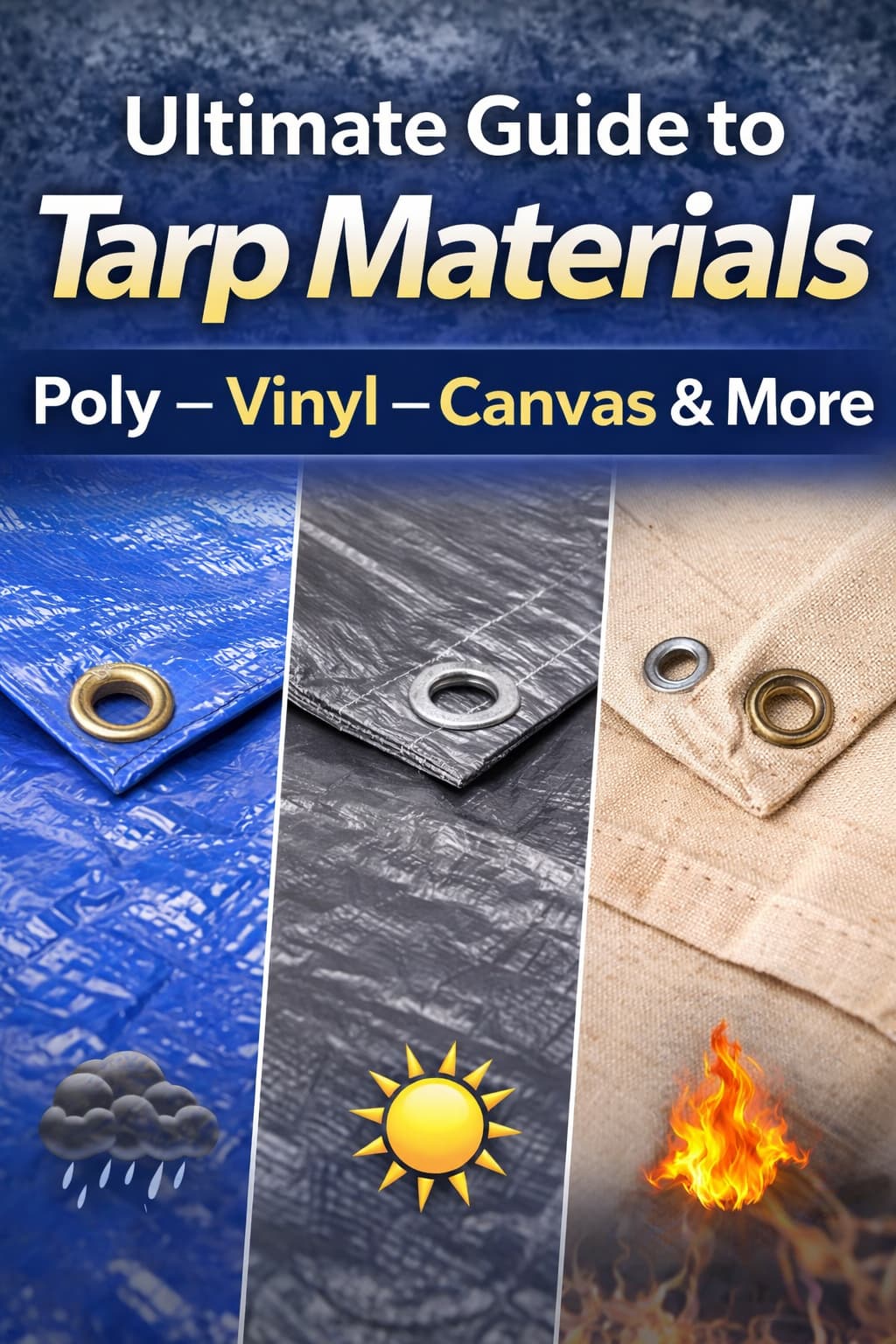
Ultimate Guide to Tarp Materials: Poly, Vinyl, Canvas & More (2026)
Choosing the right tarp material is one of the most important decisions when buying a tarp. Different materials offer varying levels of durability, waterproofing, UV resistance, and flexibility depending on your specific use.
In this guide, we’ll break down the most common tarp materials, compare their strengths, and help you determine which option is best for your project.
If you’re unsure where to start, you can also use our Tarp & Canopy Product Selector to quickly find the right product based on your needs.
What Are Tarps Made Of?
Most tarps are made from one of three primary materials: polyethylene (poly), vinyl, or canvas. Each material has unique properties that make it better suited for certain environments and applications.
Poly Tarps (Polyethylene)
Poly tarps are one of the most popular and affordable tarp options. They are made from woven polyethylene strips coated with a protective layer for water resistance.
- Lightweight and easy to handle
- Waterproof and UV resistant
- Affordable for general-purpose use
- Available in multiple thicknesses (mil ratings)
For a deeper breakdown of thickness and durability, see our 12 Mil Poly Tarp Weight Guide.
Vinyl Tarps (Heavy Duty Performance)
Vinyl tarps are designed for heavy-duty and industrial applications. These tarps are thicker, stronger, and more resistant to tearing and abrasion.
- Extremely durable and long-lasting
- Fully waterproof
- Resistant to chemicals, mildew, and abrasion
- Ideal for construction, trucking, and equipment coverage
If you need maximum durability and weather resistance, vinyl tarps are often the best choice.
Canvas Tarps (Breathable & Natural)
Canvas tarps are made from cotton or polyester blends and are known for their breathability and natural look.
- Breathable to reduce condensation
- Great for covering equipment or furniture
- Durable but not fully waterproof
- Popular for landscaping and decorative uses
Canvas is ideal when airflow is more important than complete waterproofing.
How to Choose the Right Tarp Material
The best tarp material depends on how and where you plan to use it:
- Outdoor protection: Poly or vinyl for waterproof coverage
- Heavy-duty applications: Vinyl for maximum durability
- Breathable coverage: Canvas to reduce moisture buildup
- Budget-friendly use: Poly tarps for general applications
For a full breakdown of tarp selection factors, visit our Tarp Buying Guide.
Understanding Tarp Weight & Thickness
Tarp durability is often measured in mil thickness and weight. Thicker tarps generally offer better protection and longer lifespan.
To compare materials and weights side by side, check out our Universal Tarp Weight & Material Comparison Guide.
Flame Retardant Tarp Materials
For certain environments, such as construction sites or events, flame retardant tarps may be required.
Learn more about safety standards and compliance in our Flame Retardant Tarp Standards Guide.
Tarp Material Comparison Chart
Use this quick comparison chart to understand the differences between poly, vinyl, and canvas tarps and choose the best material for your needs.
| Feature | Poly Tarps | Vinyl Tarps | Canvas Tarps |
|---|---|---|---|
| Durability | Medium | High (Heavy-Duty) | Medium-High |
| Waterproof | Yes | Yes (Fully Waterproof) | No (Water Resistant) |
| UV Resistance | Good | Excellent | Moderate |
| Breathability | No | No | Yes |
| Weight | Light to Medium | Heavy | Medium |
| Best Use Cases | General purpose, temporary coverage | Construction, trucking, long-term outdoor use | Equipment covers, breathable storage |
| Price Range | $ (Budget) | $$$ (Premium) | $$ (Mid-range) |
Explore More Tarp Resources
If you’re researching tarp materials and applications, these resources can help you dive deeper:
Find the Right Tarp for Your Needs
Still unsure which tarp material is best? Use our Tarp & Canopy Product Selector to quickly narrow down your options based on your specific use, environment, and durability requirements.