

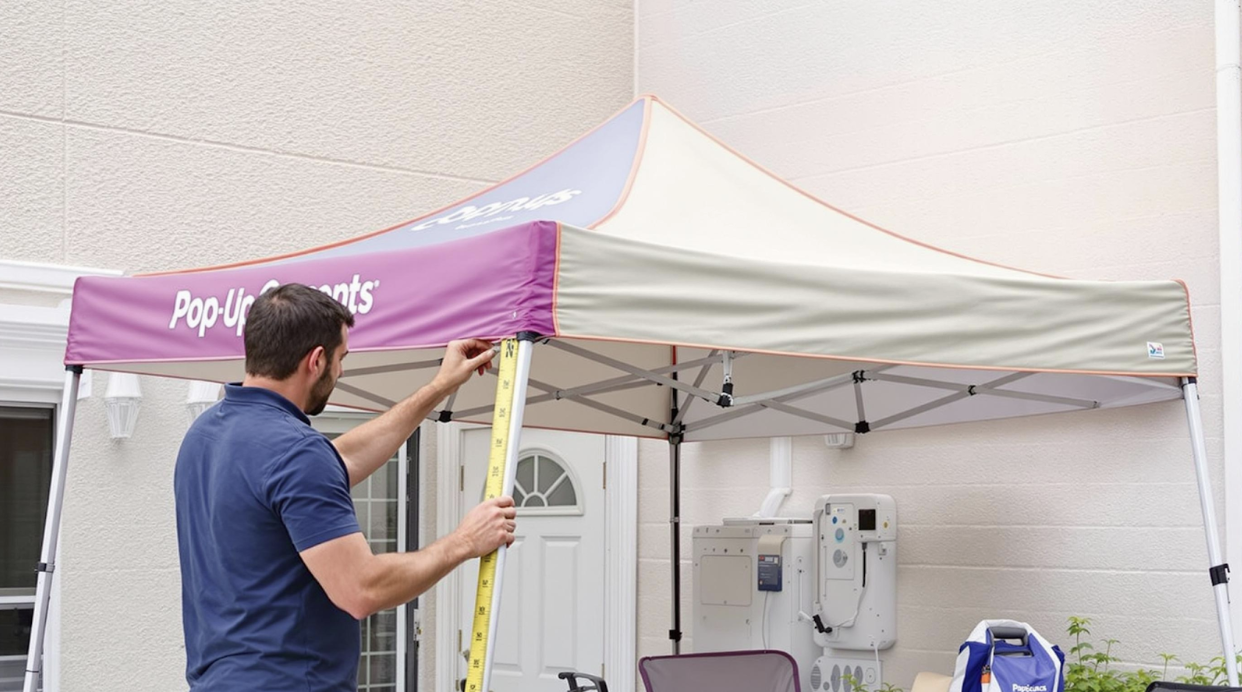
How to Measure a Gazebo Frame for a Replacement Cover or Canopy Alternative
Posted by CanopiesAndTarps on Jul 31st 2025
If your gazebo top is worn out, torn, or no longer shedding water properly, the first step is getting accurate measurements. Even if you are searching for a gazebo replacement canopy, measuring the frame correctly can also help you compare alternative cover solutions such as replacement canopy covers, heavy-duty tarp systems, and modular canopy options that may be easier to source and maintain long term.
In this guide, we’ll show you how to measure a gazebo frame the right way, what details matter most, and what to do if you can’t find an exact-fit replacement.
Looking for a practical replacement option? Browse our Replacement Canopy Covers, Tarps, and Heavy-Duty Canopies for long-lasting outdoor cover solutions.
Why accurate gazebo measurements matter
Gazebos come in many shapes, sizes, and roof styles. Even structures that are both labeled 10' x 10' may have different peak heights, corner styles, attachment methods, or vent configurations. A small measurement error can lead to a poor fit, water pooling, sagging fabric, or a cover that cannot be installed properly.
Getting accurate measurements helps you:
- Compare your structure to available cover options
- Avoid ordering the wrong size
- Identify whether a standard canopy cover or tarp alternative may work
- Save time when shopping for a replacement solution
Quick answer: How to measure a gazebo
- Measure the frame, not the old fabric
- Record the outside width and length
- Measure the peak height
- Note special features like vent tiers, corner shape, straps, hooks, or grommet locations
- Use those measurements to compare replacement and alternative cover options
How to measure a gazebo frame step by step
Step 1: Measure the frame, not the canopy fabric
Always use the metal or structural frame as your reference point. Old fabric can stretch, shrink, sag, or tear over time, so it is not the most reliable guide for sizing a replacement.
Step 2: Measure the outside width and length
Using a tape measure, record the distance from one outside edge of the frame to the opposite outside edge. If the structure is square, both dimensions may be the same. If it is rectangular, write down both measurements clearly.
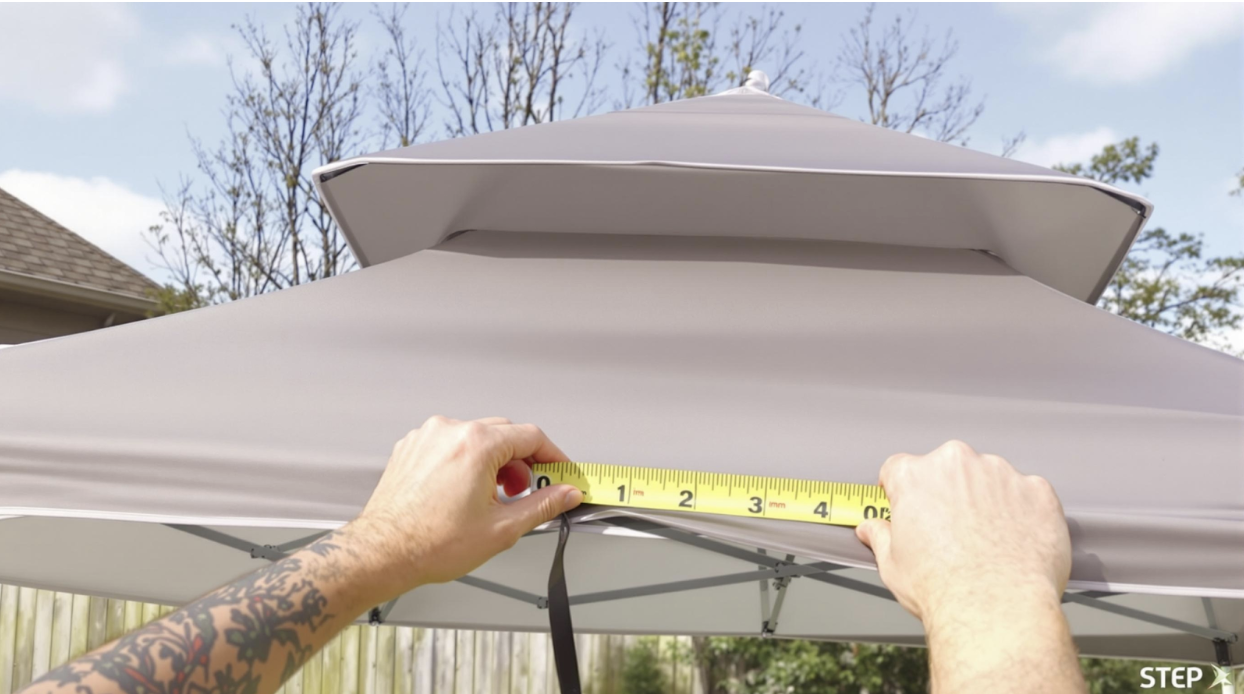
Step 3: Measure the peak height
If the structure has a pitched roof, measure from the highest point of the frame down to where the cover attaches. This is especially important for taller rooflines and vented tops, since overall fit is affected by more than just width and length.
Step 4: Check for special features
Before comparing products, note any details that affect fit or installation:
- Single-tier or two-tier roof design
- Rounded or angled corners
- Hook-and-loop straps, hooks, pockets, or grommet attachment points
- Valance or overhang style
- Curtain or mosquito netting tracks
Taking photos of the frame from multiple angles can make it much easier to compare your structure to available cover options later.
Measuring single-tier vs. two-tier gazebo styles
Single-tier structures are usually the easiest to measure. In most cases, you only need the overall width, overall length, and the peak height.
For two-tier or vented designs, record those same dimensions and also measure the upper vent section if possible. The vent width, vent height, and how the upper section attaches can all affect how well a cover fits.
If your structure has multiple tiers, unusual slopes, or decorative framing, exact-fit replacement options may be harder to find. That is where broader alternatives such as replacement canopy covers or heavy-duty tarps may become more practical solutions.
What if you cannot find an exact gazebo replacement canopy?
This is a common issue, especially with discontinued models or older outdoor structures. Many gazebo tops were made for specific private-label frames, so exact replacements are not always easy to source years later.
If you cannot find an exact-fit gazebo cover, common alternatives include:
- Replacement canopy covers for similar frame dimensions
- Heavy-duty tarps for custom cover applications
- Tie-down and fastening accessories to secure a custom-fit setup
- A new canopy system that is easier to maintain and re-cover over time
Explore these categories for practical alternatives:
Common frame sizes and comparison starting points
Gazebo and outdoor shelter sizing varies widely by manufacturer, so there is no true universal standard. Still, common frame footprints include 8' x 8', 10' x 10', 10' x 12', and 12' x 12'. Your exact roof shape, pitch, and attachment style matter just as much as the base footprint.
Use your measurements as a comparison point rather than assuming a labeled size tells the whole story. Two structures with the same base dimensions can require very different cover shapes depending on their roof design.
When an alternative canopy system may be the better choice
Sometimes the most cost-effective option is not chasing a hard-to-find gazebo replacement top. If your frame is damaged, discontinued, or difficult to re-cover, it may make more sense to switch to a canopy system designed for easier replacement and long-term use.
This may be the better move when:
- The original model is no longer supported
- The replacement top costs nearly as much as a new structure
- The frame is bent, rusted, or unstable
- You want a more durable setup for storage, vehicle coverage, or long-term outdoor use
For those situations, browse our Heavy-Duty Canopies for a more modular, serviceable option.
Final tip before you buy
Before ordering any cover solution, double-check all measurements and compare them against the product details. Width, length, peak height, corner design, and attachment style all matter. A few extra minutes of measuring now can help you avoid returns and find a solution that works better for your structure.
Need a replacement-oriented solution? Start here:
If you have questions, contact us and our team can help you compare options based on your measurements.
FAQs: Measuring a gazebo and comparing cover alternatives
How do I measure a gazebo frame for a replacement cover or alternative canopy solution?
Measure the frame, not the old fabric. Record the outside width and length of the structure, then measure the peak height and note any special features such as vent tiers, corner styles, or attachment points. These measurements help you compare your structure to replacement canopy covers, tarp systems, or other alternative cover options.
Should I measure the gazebo fabric or the frame?
Always measure the frame rather than the worn-out fabric. Fabric can stretch, shrink, or sag over time, while the frame dimensions provide the most reliable starting point when choosing a replacement cover or alternative canopy solution.
What if I cannot find an exact gazebo replacement canopy?
If an exact-fit gazebo replacement canopy is unavailable, many customers look at alternative solutions such as universal canopy covers, heavy-duty tarp systems, or replacing the structure with a modular canopy frame that is easier to maintain long term.
What measurements matter most for a peaked or two-tier gazebo?
For peaked or two-tier structures, you need the overall frame width and length, plus the peak height and any upper vent dimensions. These extra details are important when comparing fit across different cover styles.
What products can work as alternatives to gazebo replacement covers?
Depending on the structure, alternatives may include replacement canopy covers, heavy-duty tarps, tie-down accessories, or a new canopy system that offers easier long-term maintenance and replacement.